


19
Mar'26
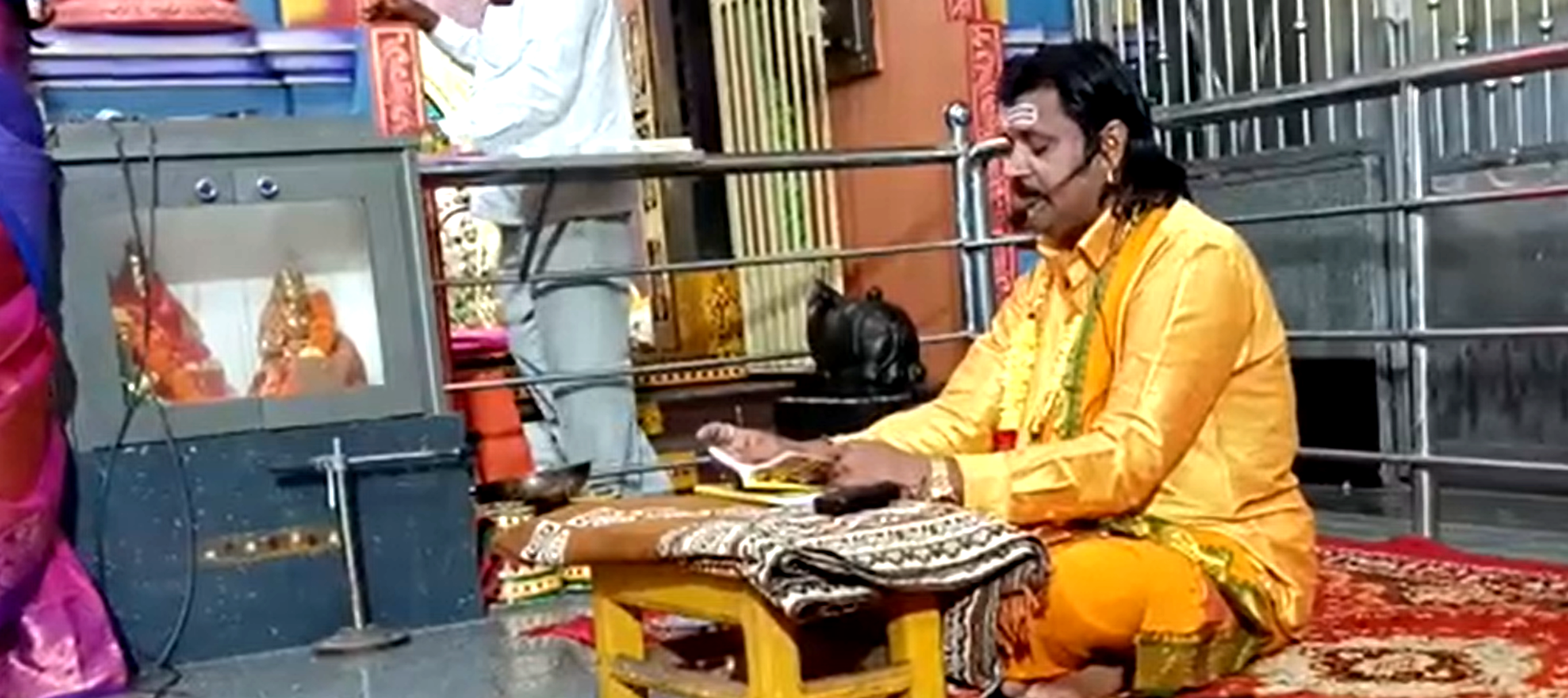
Ugadi, the Telugu New Year, marks the beginning of a new lunar calendar and symbolizes renewal, hope, and prosperity. One of the most spiritually significant rituals performed on this auspicious day is Panchanga Sravanam—the ceremonial reading of the yearly almanac. At the revered Sri Kamakshi Devi Temple, this tradition is celebrated with great devotion and cultural richness, attracting devotees from across the region.
Significance of Ugadi
Ugadi is more than just a New Year celebration—it is a time to reflect on the past and welcome the future with positivity. The day begins with ritual oil baths, temple visits, and the preparation of Ugadi Pachadi, a symbolic dish representing the six tastes of life—joy, sorrow, anger, fear, disgust, and surprise.
Panchanga Sravanam: A Sacred Tradition
The highlight of Ugadi at the temple is the Panchanga Sravanam, where priests recite and explain the new year’s predictions based on the Hindu calendar. This includes insights into:
- Rasi Phalalu (Zodiac Predictions)
- Rainfall and Agricultural Forecasts
- Economic and Political Trends
- Auspicious Timings (Muhurtams)
Devotees listen attentively, believing that understanding the Panchangam helps them align their lives with cosmic rhythms.
Celebrations at Kamakshi Devi Temple
At Sri Kamakshi Devi Temple, the atmosphere during Ugadi is vibrant and deeply spiritual:
- The temple is beautifully decorated with flowers and mango leaves
- Special poojas and abhishekams are performed for the Goddess
- Devotees gather in large numbers to receive blessings
- Panchanga Sravanam is conducted by learned priests with detailed explanations
The divine presence of Goddess Kamakshi, combined with the sacred chanting, creates a powerful spiritual experience.
Cultural and Spiritual Importance
This event is not just religious but also cultural. It brings the community together, reinforcing traditions passed down through generations. Listening to the Panchangam is considered a way to prepare mentally and spiritually for the year ahead.